Introduction
As winter temperatures decrease, heating systems must exert significantly more effort to ensure homes remain warm and pleasant. Boilers, radiators, and pipes often operate for extended durations, frequently without respite. This heightened demand, combined with frigid outdoor temperatures, can severely strain various elements of a heating system. Consequently, numerous homeowners begin to encounter heating problems precisely when they need warmth the most.
Grasping the reasons behind heating system failures during cold weather can assist you in averting unexpected breakdowns, steering clear of expensive repairs, and maintaining comfort within your home throughout the winter months. If your heating system is currently exhibiting signs of malfunction, it’s advisable to have it examined before the situation deteriorates. Reach out to our skilled plumbers in Luton today for professional heating system diagnostics and repairs.
Why Heating Systems Struggle in Cold Weather
Heating systems are meant to provide warmth to homes, but extremely cold temperatures present various challenges for these units. In winter, your boiler and radiators must exert greater effort to sustain indoor warmth, which heightens the likelihood of wear and deterioration.
A primary reason for the difficulties faced by heating systems is the surge in demand. When outdoor temperatures plummet, the heating unit often operates nearly continuously to keep your living space heated. This incessant functioning can put considerable stress on essential components, including pumps, valves, and heat exchangers.
Extended operating cycles also contribute to the problem. Heating systems typically function in cycles, activating and deactivating throughout the day. Yet, during cold weather, the system may need to operate for prolonged stretches without pausing. This can lead to decreased efficiency and a higher chance of mechanical breakdown.
Frigid temperatures may diminish the effectiveness of specific parts within the system. Pipes, condensate lines, and external vents are particularly susceptible to freezing conditions. If these components freeze or become obstructed, it may cause the entire heating system to fail.
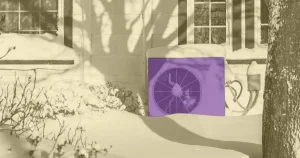
Routine maintenance becomes crucial in winter. Preparing your heating system for the cold season can help uncover minor issues before they escalate into major breakdowns.
Common Reasons Heating Systems Fail During Cold Weather
Frozen Pipes and Condensate Lines
One of the leading causes of heating system failures during winter is frozen pipes. Once temperatures dip below freezing, the water within pipes can solidify and expand. This may block the flow of water or even lead to pipe ruptures.
Condensing boilers have external condensate pipes that are similarly prone to freezing in extremely cold conditions. If ice obstructs this pipe, the boiler might shut down automatically to avert damage.
Boiler Pressure Problems
Problems related to boiler pressure frequently arise during the colder months. Pressure levels may decrease due to minor leaks, radiator bleeding, or fluctuations in temperature. When the boiler’s pressure falls too low, the heating system can operate improperly.
Common indicators of low boiler pressure include radiators that fail to heat appropriately, error messages on the boiler screen, or the heating system shutting off unexpectedly.
Sludge Build-Up in Radiators
Over a period, heating systems may accumulate sludge, rust, and other debris within their radiators and piping. This accumulation hinders hot water flow, making it difficult for radiators to achieve the required warmth.
In winter months, when usage levels increase, this accumulation becomes even more apparent. Some radiators might remain cool at the bottom or take longer to reach a warm temperature.
Thermostat Issues
The thermostat regulates the operation of the heating system. If the thermostat malfunctions, it might send incorrect information to the boiler.
At times, the problem could be something as straightforward as depleted batteries in a digital thermostat. In other instances, malfunctioning sensors or inaccurate temperature readings could lead to inefficient operation of the heating system.
Overworked Heating Systems
Heating systems that function non-stop during severe cold spells are more prone to fail. Components like pumps, valves, and fans can deteriorate more quickly when the system is in constant operation without adequate downtime.
Older heating systems are particularly at risk since their parts may already show signs of wear from extensive use over the years.
Blocked or Frozen External Vents
Many contemporary boilers utilize external pipes or vents to expel waste gases. In cold conditions, these vents can become obstructed by ice, snow, or other debris.
When the airflow is limited, the boiler may turn off automatically for safety reasons, preventing harmful gas accumulation within the system.
Indicators Your Heating System Is Nearing Failure
Heating systems typically give advance warnings before failing entirely. Homeowners often observe subtle signs before a total system breakdown.
A frequent warning indicator is radiators that do not heat effectively. Certain areas might feel cooler than others, or radiators could require extended time to warm up.
Another sign involves unusual sounds emanating from the system, such as banging, gurgling, or whistling. These sounds can signify trapped air, sludge accumulation, or pump problems.
If your boiler shuts off often, it might indicate pressure issues, frozen pipes, or overheating components.
Inconsistent heating throughout the home presents another common symptom. Some areas may feel warm, while others stay cool, typically indicating circulation problems.
Lastly, a notable rise in energy costs can suggest that the heating system is exerting extra effort to maintain the intended temperature.
Effects of Cold Weather on Various Heating System Parts
Boilers
Boilers serve as the core of most heating systems. During the winter season, they run more often and for extended durations. This added strain can result in pressure issues, ignition problems, or overheating.
Radiators
Radiators are responsible for distributing warmth throughout your living space. However, trapped air or sludge buildup can decrease their effectiveness, leading to cold areas or inconsistent heating.
Pipes and Valves
Pipes and valves are at a heightened risk during cold temperatures. When pipes freeze, the water flow is impeded, which can hinder the heating system’s proper functioning.
Circulation Pumps
The circulation pump is tasked with moving hot water throughout the system. Continuous operation of the heating system can lead to decreased efficiency or quicker wear on the pump.
How to Avoid Heating System Failures in Winter
Schedule Regular Heating System Maintenance
Having your heating system serviced every year is a highly effective method to avoid failures during winter. Experts can spot worn-out parts, leaks, or pressure complications before they escalate into major issues.
Insulate Pipes and Heating Components
Insulating pipes is crucial for shielding them from freezing conditions. This straightforward measure can avert the bursting of pipes and expensive water damage.
Bleed Radiators Before Winter
Bleeding radiators eliminates trapped air and enhances heating efficiency. It facilitates the proper circulation of hot water throughout the entire system.
Check Boiler Pressure Regularly
Ensuring that the boiler pressure is correct is essential for the efficient functioning of the heating system. Homeowners should periodically examine the pressure gauge to confirm it remains within the advised limits.
Consider Power Flushing Your System
If your heating system has accumulated sludge, power flushing can effectively eliminate debris and restore adequate circulation. This technique enhances heating performance and prolongs the system’s lifespan.
When to Call a Professional Heating Engineer
Although some minor heating concerns can be handled independently, certain issues necessitate professional help.
If your heating unit frequently shuts off, makes strange sounds, or does not adequately warm your home, it’s advisable to reach out to a certified heating engineer. Additionally, frozen pipes, obstructed boiler vents, and ongoing radiator issues require professional evaluation.
Timely diagnosis can stop minor concerns from developing into costly repairs.
Conclusion
Heating systems frequently malfunction in cold weather due to heightened demand, low temperatures, and aging components. Issues like frozen pipes, insufficient boiler pressure, sludge accumulation, and thermostat malfunctions can all impact heating efficiency during the winter months.
Being aware of early warning signs and regularly maintaining your heating system can aid in preventing unexpected breakdowns, ensuring your residence remains cozy when temperatures fall.