Water pooling under your sink, a toilet that will not stop overflowing, or a smell of sewage drifting through the house all point to the same answer: call an emergency plumber immediately, not in the morning. Some plumbing problems really can wait for a scheduled appointment. Others turn a small drip into a flooded kitchen within the hour. Knowing which is which saves you money, protects your home, and in some cases keeps your family safe.
This guide walks through the clearest warning signs that your plumbing issue is a genuine emergency, plus what to do in the minutes before help arrives.
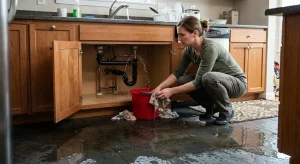
Water Is Actively Flooding Your Home
If water is spreading across the floor right now, this is the plumbing equivalent of a heart attack. A burst pipe under mains pressure can release well over a litre a second, and a first floor can be under an inch of water before you have even found your wellies.
The first move is not to call anyone. It is to find your stopcock, usually under the kitchen sink or near the water meter, and shut it off. Only once the water is contained should you ring for help. Any plumber worth calling out at 2am will tell you the same thing: stopping the flow always comes before diagnosing the cause.
You Smell Sewage Inside the House
A persistent sewage odour indoors is not a minor drain issue you can leave until Monday. It usually means a blocked or partially collapsed foul water pipe, and raw sewage backing up brings genuine health risks from bacteria and gas exposure.
Do not run taps, flush toilets, or use the washing machine until a plumber has inspected the line. Using fixtures while the system is blocked often pushes contaminated water further into the property rather than clearing it.
Every Tap in the House Has Lost Water or Pressure
One dripping tap is a nuisance. Every tap in the house losing pressure at the same time is a different story entirely. When several fixtures fail together, the cause is almost always something upstream, such as a major leak, a failing stopcock, or a problem with the incoming supply itself rather than one worn washer.
If your neighbours still have running water and you do not, the fault sits inside your own pipework and needs urgent attention. Complete loss of water affects cooking, washing, and basic hygiene, which is exactly the kind of disruption emergency callouts exist for.
Multiple Drains Are Backing Up at Once
A single slow sink is usually a local clog you can clear with a plunger or a call during normal hours. But when the kitchen sink, the bath, and the downstairs toilet all start backing up together, the blockage sits deeper in the system, often in the main soil stack or the drain run leading out to the sewer.
This kind of blockage will not resolve itself and tends to get worse with every flush. It also raises the same contamination concerns as a sewage smell, so treat it with the same urgency.
You Can Smell Gas Near a Boiler or Appliance
Any smell of gas near a combi boiler, cooker, or gas fire is a safety emergency, not strictly a plumbing one, but the two often overlap because plumbers and gas engineers frequently handle the same jobs in domestic properties. Turn off the gas at the meter, open windows, avoid naked flames or light switches, and leave the property before making any calls from a safe distance.
This is one of the few situations where getting everyone out of the house comes before anything else on this list.
Water Is Pooling Around a Boiler, Tank, or Appliance
Standing water near a hot water cylinder, boiler, dishwasher, or washing machine is rarely just condensation. It often points to a failing internal component, a corroded tank, or a loose connection under pressure, and any of these can escalate into a full leak or a burst without warning.
Catching this early, before the appliance itself fails completely, is usually the difference between a straightforward repair and a much larger bill.
Strange Noises Are Coming From Your Pipes
Banging, gurgling, or knocking sounds in the pipework are easy to ignore because nothing is visibly wrong yet. In practice, these noises often show up weeks before a leak becomes obvious, caused by trapped air, limescale buildup, or pressure imbalances in the system.
On their own, unusual sounds might just warrant a routine checkup. Combined with anything else on this list, such as dropping pressure or damp patches, they are a sign the problem has already started.
Warm or Damp Patches Appear on Floors or Walls
In homes with underfloor pipework or hot water pipes running through concrete, an unexplained warm patch on the floor or a damp patch spreading up a wall can indicate a hidden leak, sometimes called a slab leak. These are notoriously easy to miss because there is no visible water at first, yet they can run for weeks, causing structural damage and mould growth behind the scenes.
If you notice a section of flooring that is warmer than the rest of the room, or skirting boards that feel damp without an obvious cause, that is worth an urgent inspection rather than a wait and see approach.
Your Toilet Overflows and Will Not Stop
An overflowing toilet that keeps refilling and spilling over is more than an inconvenience. It can spread contaminated water across the bathroom floor within minutes. Shutting off the water supply valve at the base of the toilet will usually stop the immediate flooding, but the underlying blockage or float valve fault still needs a plumber to fix it properly.
How To Tell If It Can Wait Until Tomorrow
Not everything on a plumbing checklist needs a 3am callout. As a rough rule, a problem is a genuine emergency when one of three things is true: water is actively causing damage right now, there is a risk to health or safety, or you have lost an essential service like water, heating, or working toilets completely. A dripping outdoor tap or a slow bathroom sink can usually wait for a scheduled visit. Active flooding, sewage backup, gas smells, or total water loss cannot.
What To Do While You Wait For Help
Turn off the stopcock if water is flowing. Switch off the electricity supply to any area affected by standing water if you can do so safely. Avoid using any fixture connected to a suspected blockage. If gas is involved, leave the property first and call from outside. These steps will not fix the problem, but they buy time and limit the damage until a plumber reaches you.
Frequently Asked Questions
How fast should an emergency plumber respond?
Most reputable emergency plumbing services aim to be on site within the hour for genuine emergencies such as burst pipes or sewage backups, and can talk you through immediate steps over the phone in the meantime.
Is a blocked toilet an emergency if there is only one in the house?
Yes, particularly if it is the only working toilet in the property or if it keeps overflowing rather than simply draining slowly.
Can I fix a burst pipe myself before the plumber arrives?
You can and should stop the water at the stopcock, but the pipe itself needs professional repair. Attempting a temporary fix under pressure often makes the leak worse.
Does home insurance cover emergency plumbing callouts?
Many UK home insurance policies cover emergency repairs and resulting damage, though cover varies by provider and policy, so it is worth checking your documents or calling your insurer directly.
If you are seeing any of these signs right now, the safest move is to stop the water where you can and get an emergency plumber on the way rather than waiting to see if the problem settles on its own. It rarely does.