Luton’s older homes are full of charm and character. Lots of these properties have architectural details and a long history that make them special places to live in. But one shortcoming common to older houses is outdated plumbing systems.
Many of these houses were constructed several decades ago, long before current water usage needs. Pipes, fixtures, and fittings have reached the end of their useful lifespan. Pipes, fittings, and fixtures are bound to wear out and cause leaks, low water pressure, or unexpected plumbing repairs.
Knowing the importance of maintaining plumbing systems in older Luton houses can help avoid costly issues. All that it requires is regular inspections and appropriate maintenance, following which older plumbing mechanisms can be safely and efficiently operated for decades to come.
If you think your plumbing may be showing signs of wear, you should always seek the services of experienced plumbers in Luton for inspection and maintenance services.
Why Plumbing Maintenance Matters in Older Homes
It is a natural occurrence for plumbing systems to deteriorate with time. Joints and valves, along with pipes, weaken after a long period of constant use in homes or premises whose plumbing system has not undergone major adjustments.
Many older properties in Luton still have pipework made from materials such as galvanized steel or older copper systems. These components of pipework are susceptible to internal corrosion over time. This internal corrosion may eventually make water take longer to flow, reducing pressure and creating pressure problems.
Small plumbing issues can quickly get out of hand and result in water leaks, damp walls, or structural damage if proper maintenance is not in place.
Regular plumbing checks allow homeowners to detect early warning signs and rectify minor issues before it translates into expensive repairs.
Common Plumbing Problems in Older Luton Houses
Pyrene is among the most commonplace challenges that affect relatively older plumbing systems. Over time, due to constant exposure to water and minerals, pipes can rust or deteriorate.
Corroded pipes reduce water pressure and compromise water quality. The corroded pipes may also lead to a drop in water pressure and poor water quality.
Low water pressure is yet again one more problem common with older houses.
Water flow may be limited because of mineral deposits, rust buildup, or pipes that are partially blocked. Sometimes, there are limitations to the original plumbing design that was done to accommodate water usage, especially when multiple plumbing fixtures are in operation simultaneously.
Not all plumbing leaks are visible immediately. These pipes are hidden behind walls, under floors, or inside the ceiling in older homes. Small leaks can stay unnoticed for a long time in such places.
Gradually, such hidden leaks may cause damp walls, encourage mold growth, and harm the building structure. Periodic inspections of the plumbing system are necessary to detect such problems as early as possible.
Many older homes have original taps, toilets, and pipe fittings. These older components are less efficient and more susceptible to leaks than modern plumbing fixtures.
Changing out old, inefficient fixtures may help to improve water savings and avoid processes that may lead to continuous plumbing problems.
Luton has hard water, which means that it contains more elements, especially calcium and magnesium, than ordinary water.
These minerals can deposit inside pipes, boil, and damage appliances over time. This buildup, called limescale, is well known for restricting water flow and causing plumbing and heating system inefficiency.
Signs Your Plumbing System Needs Maintenance:
Many homeowners ignore the fact that there is a plumbing issue in the house until iit becomesa big problem. However, there are many warning signs that your system may need attention.
For example, unusual noises coming from pipes, such as banging or rattling sounds, can indicate pressure problems or loose fittings.
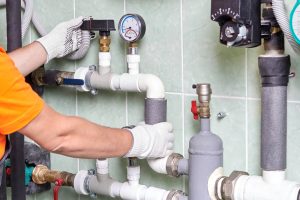
Another prominent sign to observe is colored water flowing from taps, which indicates that the pipes may be rusty or corroded.
Frequent leaks, slow drainage, or a drop in water pressure are also common signals that the plumbing system needs attention.
If such leaks are discovered, they should be immediately addressed (‘Secret leaky valve is costing you money’) to avoid any damage to the valve or water mmeter
Preventative Plumbing Maintenance Tips for Older Homes
Professional plumbers need to conduct regular inspections to identify worn components, hidden leaks, and other issues before they escalate into significant problems.
An annual plumbing inspection is highly recommended for older houses because pipe damage is more likely with aging pipes.
If your property still has very old or heavily corroded pipes, replacing sections of pipework may be the best long-term solution.
The modern plumbing materials are corrosion-resistant and more durable. It is also possible to benefit from water pressure and alleviate the probability of leaks by progressively replacing antiquated pipes.
Keeping the correct water pressure is important for protecting your plumbing system.
Excessively high pressure can strain pipes and cause leaks, and very low pressure can result from blockages or pipe deterioration.
A pressure regulator can be installed to regulate the water pressure.
Monitoring water pressure is one of the first steps in maintaining a healthy plumbing system. When the pressure runs too high, pipes can get overwhelmed, leading to leaks and damage over time. On the other hand, water pressure that’s too low might point to a deeper issue, like blockages or seriously worn pipes. A practical solution is to install a pressure regulator. It helps balance pressure throughout the system, keeping things safer and stable. Honestly, it’s an easy investment that can save a lot of hassle down the line.
Dealing with leaks, even the smallest ones, is another must. A drip might seem minor, but left unchecked, it’s like a slow-building disaster. Over weeks or months, that little leak can turn into expensive water damage, spikes in your utility bills, and even mold creeping into hidden spaces. Fixing leaks quickly stops these problems before they spiral. It’s straightforward advice, but it works.
For homes with older plumbing setups—especially those linked to heating systems like boilers or radiators—regular maintenance is key. Boilers need servicing to keep them safe and efficient. Radiators sometimes need a bleed to release trapped air, which improves heating performance. Additionally, cleaning the system can prevent blockages that might slow down the water flow or, worse, cause a breakdown. Proper care keeps both the heating and plumbing working together smoothly.
Professional plumbers are invaluable when it comes to older plumbing systems. These setups demand specific expertise because aging pipes and connections often come with hidden issues. Skilled plumbers know what to look for and bring modern tools that can pinpoint leaks and weak spots without tearing apart floors or walls unnecessarily. That’s a real win for homeowners. Beyond leak detection, they handle tasks like pressure testing, full pipe replacements, drain cleaning, and heating system upkeep. Each service plays a role in prolonging the system’s lifespan and ensuring reliability.
And when should you call for help? If you’re dealing with frequent leaks, unpredictably low water pressure, or the same plumbing problems that keep coming back, it’s time to call in the pros. Older homes, in particular, often have plumbing that doesn’t meet today’s standards. Repairing or upgrading those systems requires experience to pinpoint what’s really going on and figure out the right improvement plan. Ignoring recurring problems is risky—problems only get costlier with time. Fixing things early is the smart move.
For homeowners in Luton, maintaining older plumbing systems is more than a chore; it’s about protecting your property and keeping your home running smoothly. Aging pipes, corrosion, and hard water deposits don’t resolve themselves. Taking steps like scheduling inspections, repairing as soon as issues arise, and upgrading where needed is what keeps plumbing dependable. If that sounds like your situation, it’s time to reach out to experienced local plumbers for trusted advice and reliable repairs.